
Download Tag Stripper – Free Metadata Cleaner for Audio Files
Overview
Tag Stripper is a lightweight, free utility designed to help music enthusiasts, podcasters, and audio archivists quickly remove unwanted metadata from their audio collections. Whether you are cleaning up a massive library of MP3s, preparing tracks for distribution, or simply want to protect your privacy, Tag Stripper offers a fast and secure way to strip ID3 tags, cover art, comments, and other embedded information. The application scans selected folders, presents a clear overview of each file’s metadata, and lets you decide whether to erase everything or keep specific fields.
Its intuitive interface means you can process hundreds of files in just a few seconds, making it especially valuable for users with large music selections. Because the tool works offline, there is no need for an internet connection, ensuring that your data stays private while you clean it. Tag Stripper supports the most common audio formats, including MP3, FLAC, WAV, and AAC, and it continuously receives free updates that add new format support and improve performance.
In short, Tag Stripper combines speed, simplicity, and safety into a single, free package that anyone can download and start using immediately.
Core Features
- Full‑Metadata Removal: Delete all ID3 tags, album art, lyrics, and custom fields in a single click.
- Selective Stripping: Choose specific tag categories (e.g., artist, album, genre) to keep while removing everything else.
- Batch Processing: Drag‑and‑drop entire folders; the tool automatically scans and lists every supported audio file.
- Multi‑Format Support: Works with MP3, FLAC, WAV, AAC, OGG, and more, covering the majority of consumer audio formats.
- Real‑Time Preview: View a detailed breakdown of each file’s metadata before committing to changes.
- Secure Offline Operation: All processing occurs locally, guaranteeing that no data is sent to external servers.
- Automatic Updates: Free updates add new format compatibility and performance tweaks without extra cost.
- Lightweight Design: The installer is under 5 MB, and the program uses minimal system resources.
- Undo Capability: Create a backup of original tags with a single click, allowing you to revert if needed.
- Cross‑Platform Availability: Native builds for Windows, macOS, and Linux ensure that every user can benefit.
Installation & Usage Guide
Getting started with Tag Stripper is intentionally straightforward. Follow these steps to download, install, and begin cleaning your audio files:
- Download the installer: Click the “Download Tag Stripper” button below. The website detects your operating system and offers the appropriate executable (Windows .exe, macOS .dmg, or Linux .tar.gz).
- Run the installer: On Windows, double‑click the .exe file and follow the wizard prompts. macOS users drag the app to the Applications folder. Linux users extract the archive and run the provided shell script.
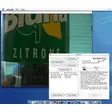
- Launch the application: After installation, open Tag Stripper. The main window displays a clean, modern interface with a menu bar, a file‑tree pane, and an information panel.
- Add music files: Use the “Add Folder” button or drag a folder directly onto the window. Tag Stripper will scan the directory, list every supported audio file, and show a summary of existing metadata for each track.
- Select a stripping mode: Choose “Remove All Tags” for a complete wipe, or click “Custom Strip” to tick the specific tag categories you wish to retain.
- Preview changes: The preview panel updates instantly, highlighting which fields will be deleted. This step helps you avoid accidental loss of important information.
- Start the process: Press the “Strip Tags” button. Tag Stripper processes files in parallel, giving you a progress bar and estimated time remaining.
- Verify results: Once completed, you can open any file in the built‑in viewer to confirm that the metadata has been removed as expected.
- Backup & restore (optional): If you enabled the backup option before stripping, a “Restore Tags” button appears, allowing you to revert to the original state with one click.
The entire workflow typically takes less than a minute for a folder of 500 songs, demonstrating the tool’s efficiency. For advanced users, Tag Stripper also offers a command‑line interface (CLI) that can be integrated into scripts or batch jobs, making automated metadata cleaning possible across servers or large media libraries.
Compatibility & System Requirements
Tag Stripper is built to run on the most common desktop operating systems. Below is a breakdown of supported platforms and the minimum specifications needed for optimal performance:
- Windows 10/11 (64‑bit): Requires .NET 5.0 runtime (bundled with installer). Minimum 2 GB RAM, 100 MB free disk space.
- macOS 11 (Big Sur) and later: Native Apple Silicon and Intel builds. Requires at least 2 GB RAM and 150 MB free disk space.
- Linux (Ubuntu 20.04+, Fedora 33+, Debian 10+): Provided as an AppImage or .tar.gz with bundled Qt libraries. Minimum 2 GB RAM, 120 MB free disk space.
- Processor: Any modern x86_64 or ARM64 CPU; multi‑core processors improve batch processing speed.
- Additional requirements: Write permission to the folders you intend to modify. No internet connection is needed for core functionality, though the updater checks for new releases when launched.
Because Tag Stripper runs locally, it does not rely on external services, making it suitable for environments with strict security policies, such as corporate media archives or personal privacy‑focused setups. The software has been tested with the latest releases of the supported operating systems, and the developers commit to releasing timely updates to maintain compatibility with upcoming OS versions.
Pros, Cons & Frequently Asked Questions
Pros
- Completely free with no hidden fees or trial limitations.
- Fast batch processing – handles thousands of files in minutes.
- Supports the most popular audio formats, including lossless FLAC.
- Offline operation protects user privacy.
- Selective stripping gives granular control over which tags stay.
- Built‑in backup and restore functionality prevents accidental data loss.
- Cross‑platform availability ensures broad accessibility.
- Lightweight installer and low system resource consumption.
- Regular free updates add new features and improve stability.
- Command‑line interface for power users and automation scripts.
Cons
- No built‑in music player – you need an external app to listen while editing.
- Limited to audio metadata; does not handle video or image files.
- Advanced tag editing (e.g., batch renaming based on metadata) is not included.
- GUI may feel basic for users accustomed to full‑featured audio managers.
- Backup files are stored in the same directory, which could clutter large libraries if not managed.
Frequently Asked Questions
Is Tag Stripper safe to use on my original music files?
Yes. Tag Stripper works locally on your computer and never uploads files to the internet. Additionally, the app offers an optional backup feature that creates a copy of the original tags before any changes are made, allowing you to restore the original state at any time.
Which audio formats are supported?
Tag Stripper currently supports MP3, FLAC, WAV, AAC, OGG, and M4A files. The development team regularly adds support for additional formats, and free updates are delivered through the built‑in updater.
Can I run Tag Stripper on a network drive?
Absolutely. As long as you have read/write permissions on the network location, Tag Stripper can scan and modify files stored on mapped drives or SMB shares. The process speed will depend on network latency.
Do I need an internet connection to strip tags?
No. All metadata removal occurs locally on your device. An internet connection is only required if you want to check for software updates.
Is there a command‑line version for automation?
Yes. Tag Stripper includes a CLI executable that accepts arguments for folder paths, tag selection, and backup options. This makes it easy to integrate into batch scripts, cron jobs, or CI pipelines.
Conclusion & Call to Action
Tag Stripper delivers exactly what its name promises: a fast, free, and secure way to erase unwanted metadata from your audio collection. Its straightforward interface, powerful batch capabilities, and cross‑platform support make it a valuable addition to any music lover’s toolkit. While it lacks some advanced audio‑management features, its core function—metadata removal—is executed flawlessly, and the optional backup system adds a safety net that many free utilities overlook. Whether you’re tidying up a personal library, preparing tracks for distribution, or safeguarding privacy, Tag Stripper offers the right balance of simplicity and control.
Ready to clean up your music library? Download Tag Stripper now and start stripping metadata in seconds—completely free, completely offline, and completely safe.
Overall Rating: 4.5/5 – Tag Stripper excels at its primary purpose, offering speed and reliability with a clean UI. Minor drawbacks include the lack of an integrated player and limited advanced editing, but these do not detract from its core value.